
How to Safely Display and Store Your Prints and Artworks
Whether you're displaying a favourite print or storing a collection for the long term, the right materials make all the difference. Acid-free, conservation grade products protect your work from the environmental damage, aging, and handling wear that cause gradual, and often irreversible deterioration.
Here's how to get the most from our range:


Displaying Your Prints and Artworks
1. Backing and Support
A sturdy backing board prevents curling, creasing, and physical damage while your print is on display or being handled.
Choose from our range of conservation grade backing cards to suit the size and weight of your piece.
Place your print on the backing card and secure it using photo corners, these will hold the print firmly in place without any adhesive coming into contact with the surface.
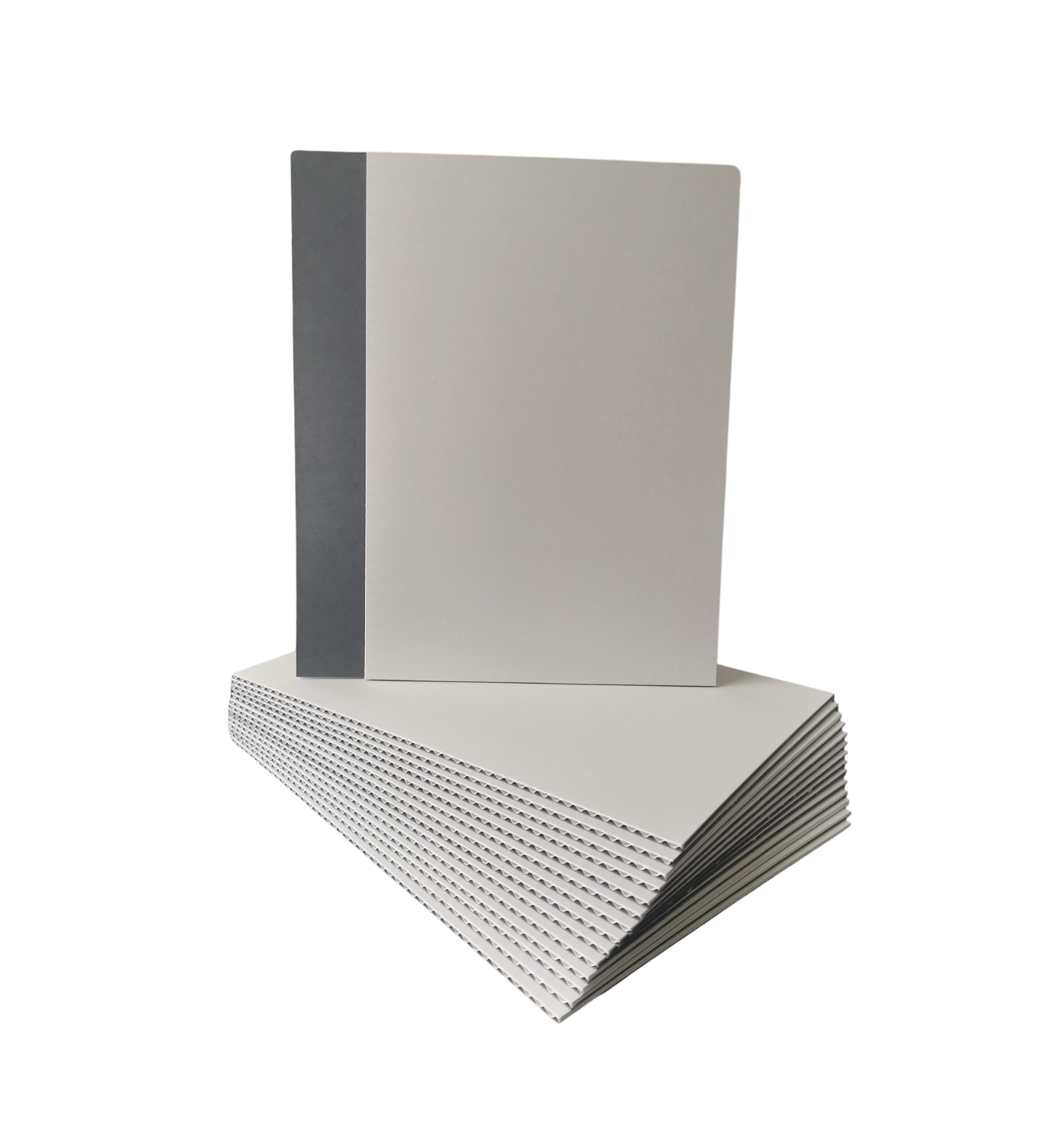
Backing Cards - 3.1mm Fluted Conservation Board
Extremely popular with artists, photographers and galleries these backing cards are prefect for transporting and displaying artworks as they are strong but light.
These backing cards are also useful for long term storage to support artworks, documents, prints, photographs
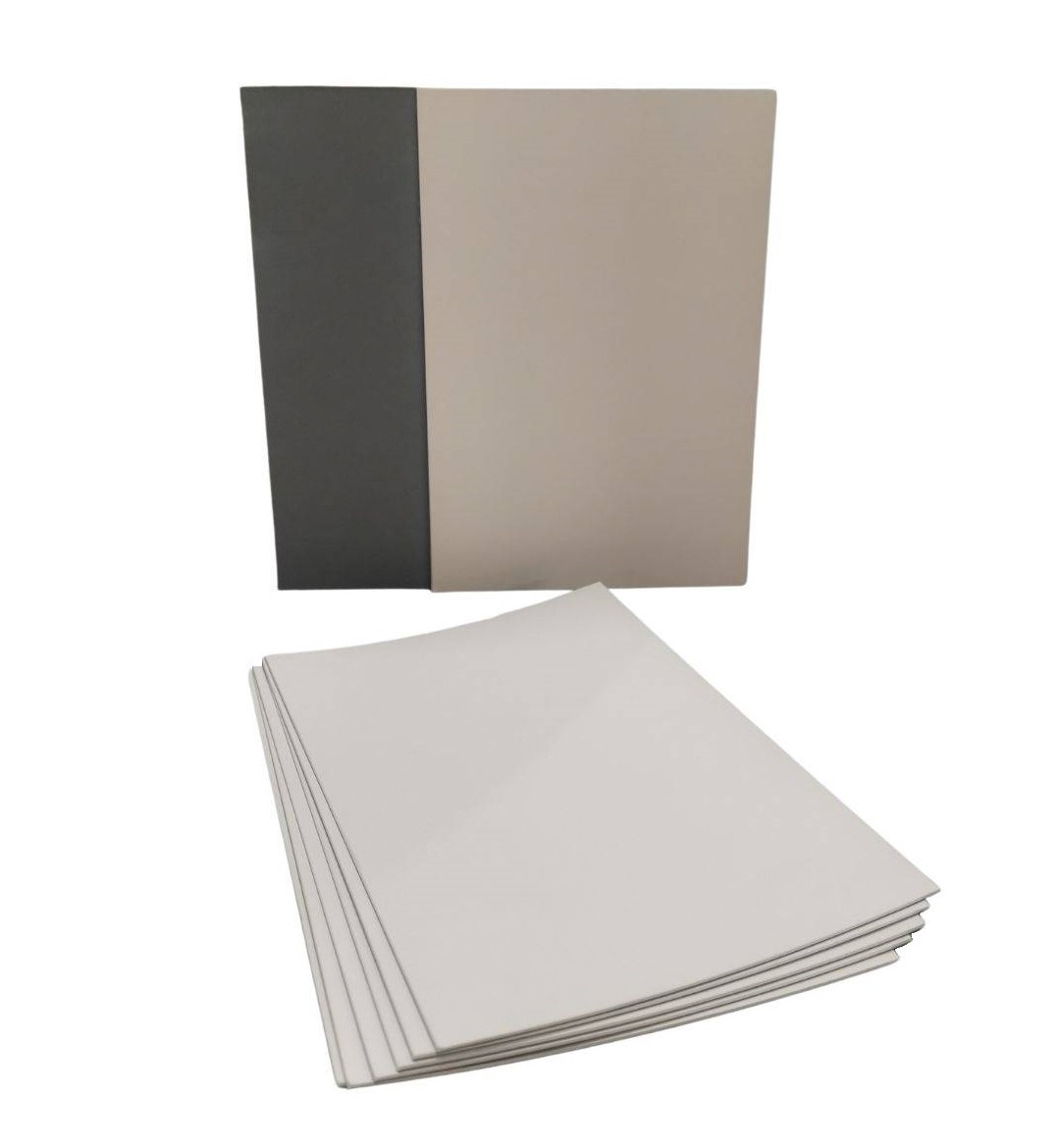
Backing Cards - 1mm Solid Conservation Board
These premium backing card are cut from Archival Folding Boxboard.
A grey exterior and a natural white interior layer, these backing cards are also useful for long term storage to support artworks, documents, prints, photographs.
2. Protecting with a Clear Bag
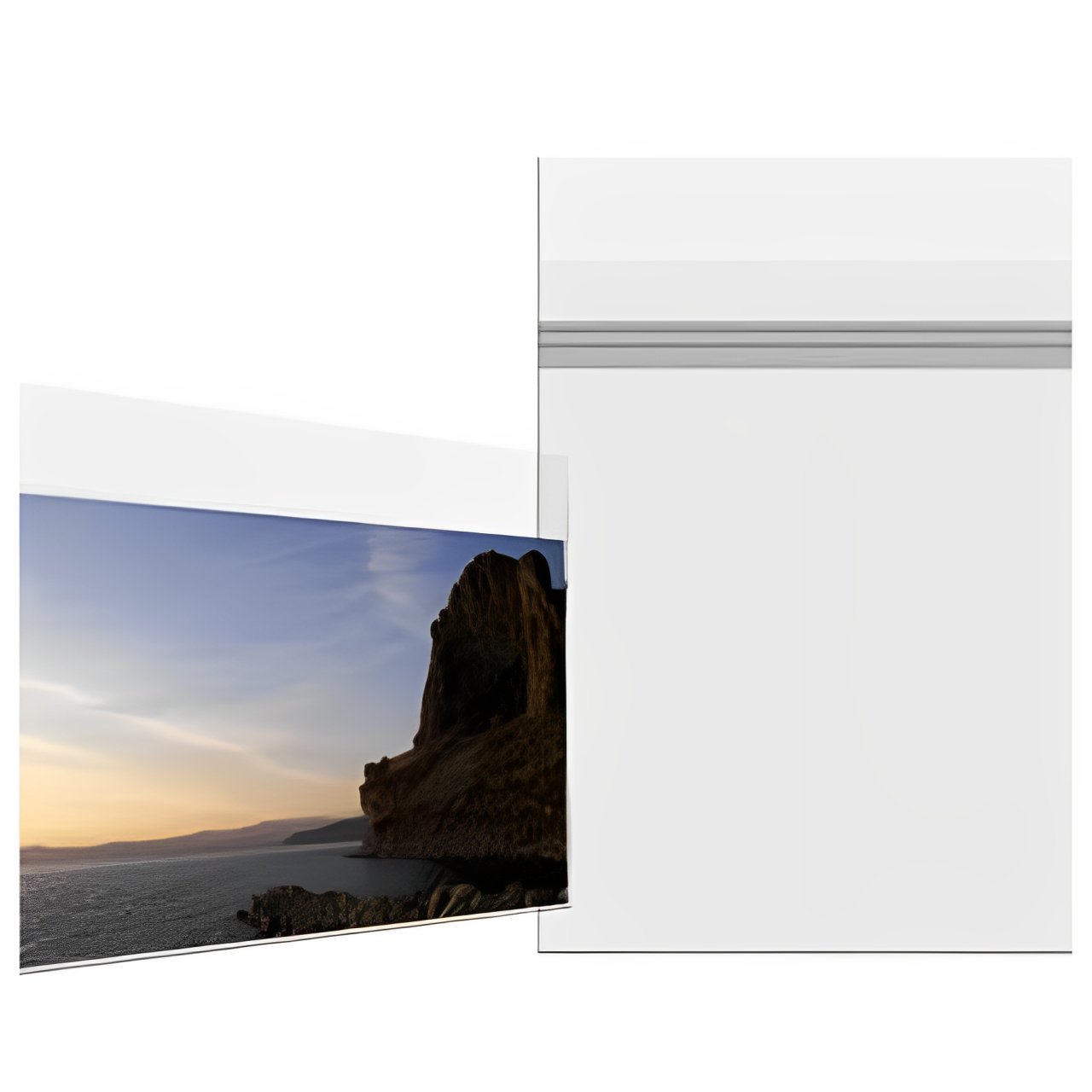
For an extra layer of protection against dust, moisture, and handling marks, slide your mounted print into a Crystal Clear Bag and seal the flap.
Your work stays fully visible while being shielded from the environment.
Our Crystal Clear Bags are made from acid-free, biaxially oriented polypropylene (BOPP) — a material that's exceptionally strong and resistant to tearing, wrinkling, and fogging. Each bag features a reusable adhesive strip positioned on the body of the bag rather than the flap, so the adhesive never comes into contact with your print, even when you open and reseal it.
Storing Your Prints and Artworks
Good storage is one of the most effective things you can do for long-term preservation.
An acid-free archival box shields your prints from light, dust, and the temperature and humidity fluctuations that cause warping, foxing, and discolouration over time.

1. Choosing the right box
We offer a range of acid-free print boxes in various sizes and styles to suit different collections.
If you can't find a box that's the right fit, we'll work with you to design a custom one.
Simply contact us with your required dimensions:
Length (mm) × Width (mm) × Depth (mm) — along with your preferred material, and we'll put together a quote.
2. Ideal storage conditions
Where you keep your boxes matters as much as what's inside them. Aim for a cool, dry, stable environment away from direct sunlight. Avoid basements and attics, where temperature swings and humidity fluctuations are common and can cause significant damage over time. When handling stored prints, use clean, dry hands or wear cotton gloves to prevent oil transfer to surfaces.
A few things worth keeping in mind
Avoid standard tapes, adhesives, and non-archival framing materials. They may seem fine in the short term, but over time they can cause staining, brittleness, and irreversible damage.
If you're displaying prints, consider rotating them periodically to reduce cumulative light exposure. And it's good practice to check on stored collections from time to time, just to make sure everything is staying in good condition.